logo

Request Quote

Contact

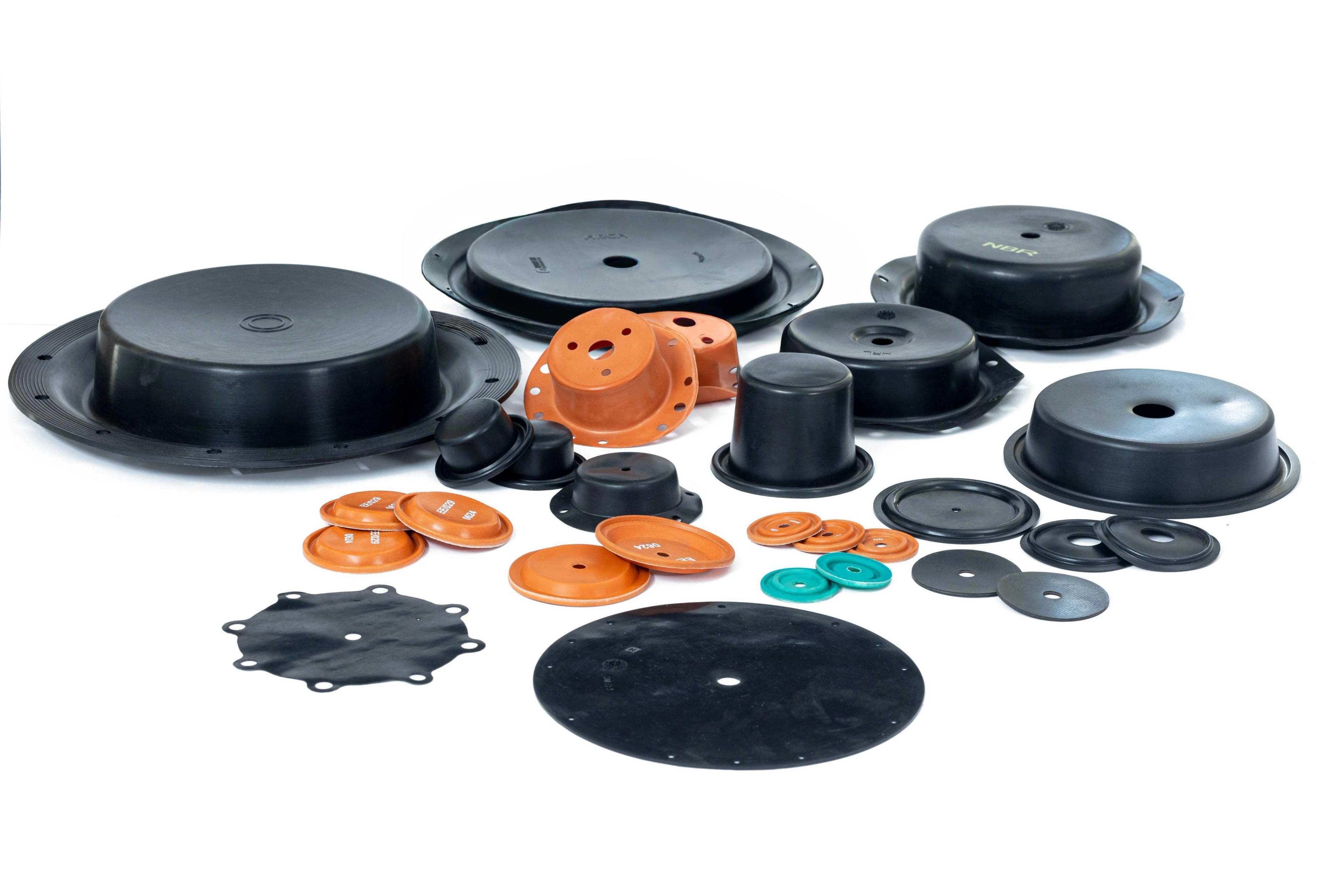
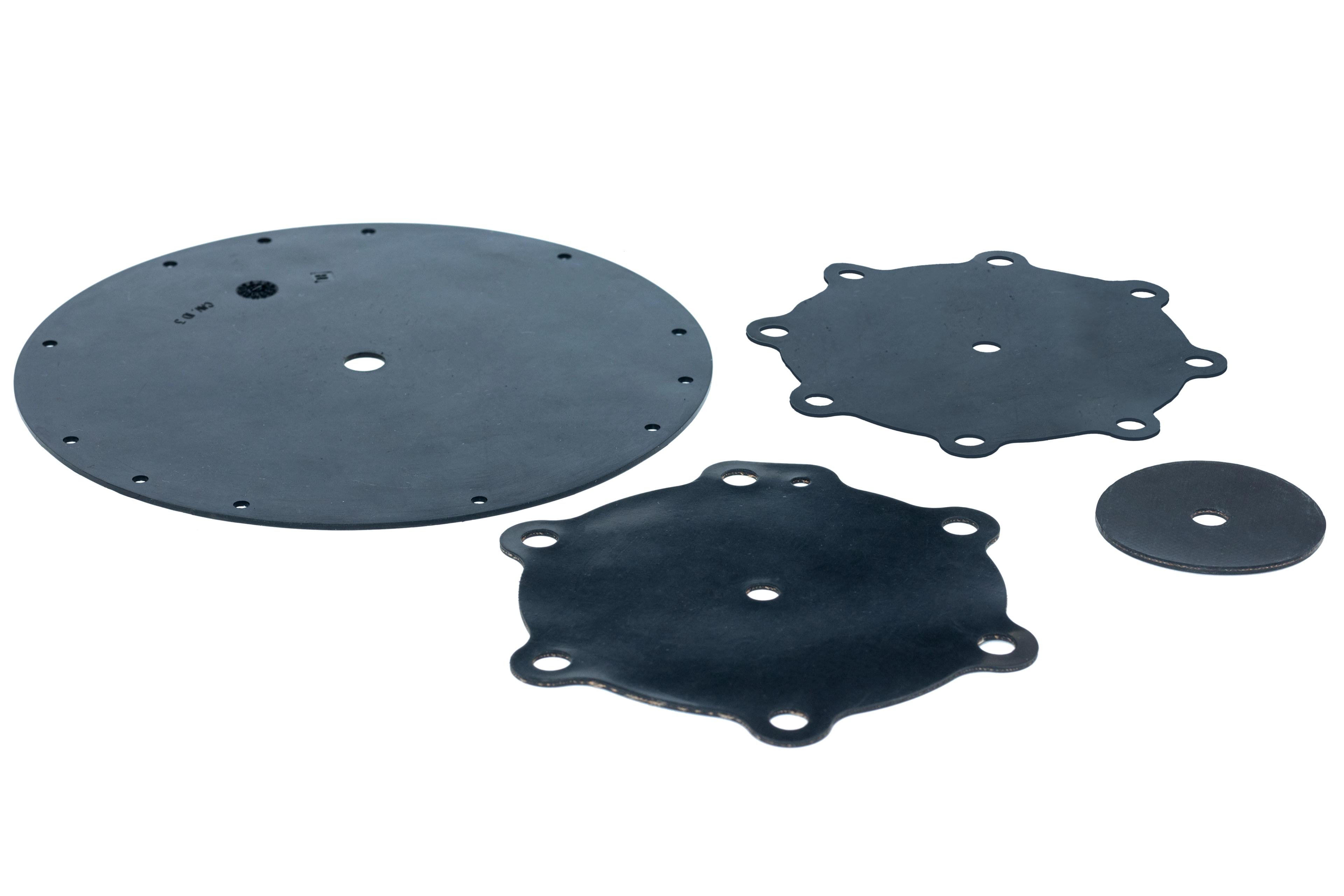
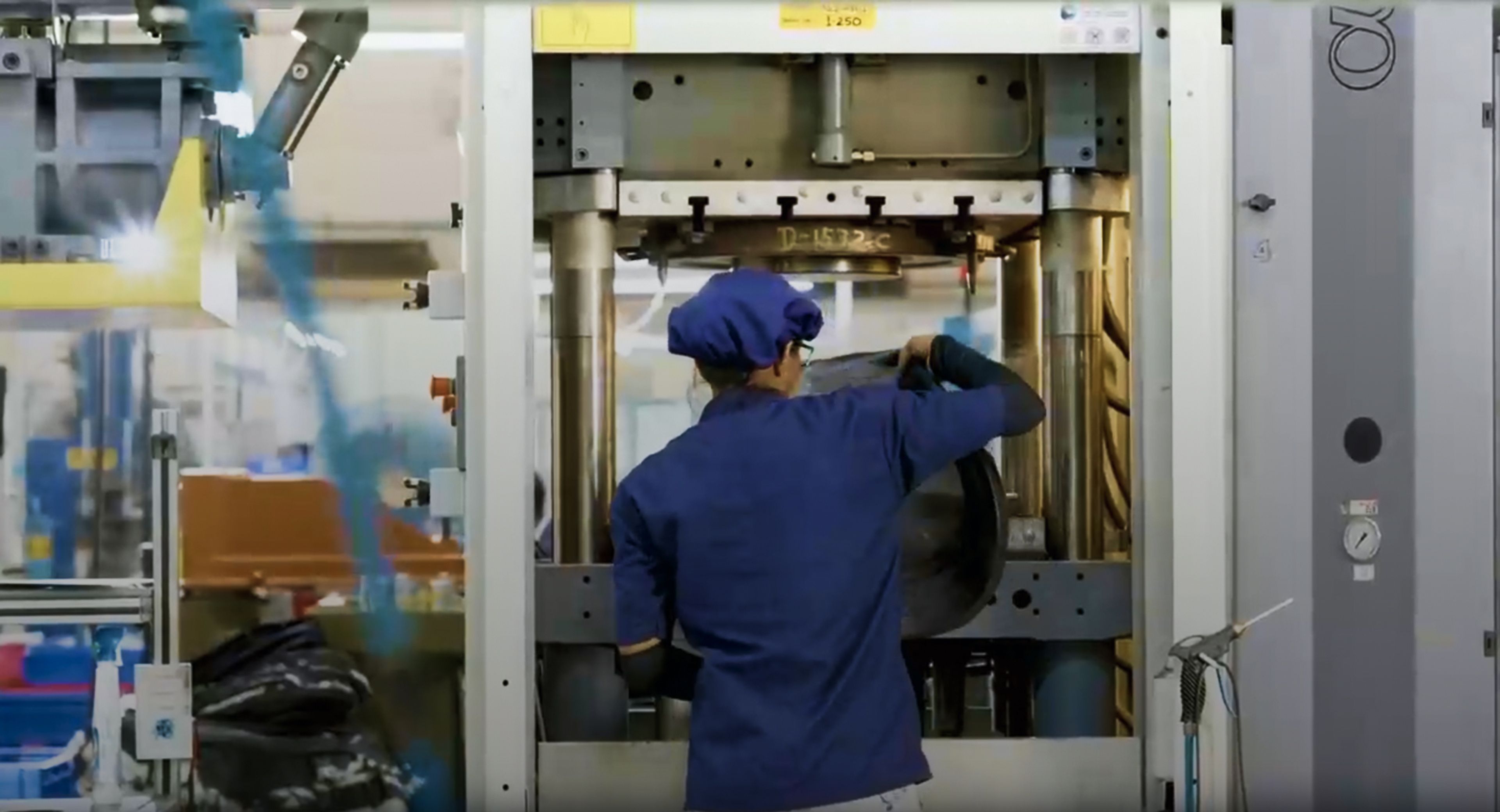
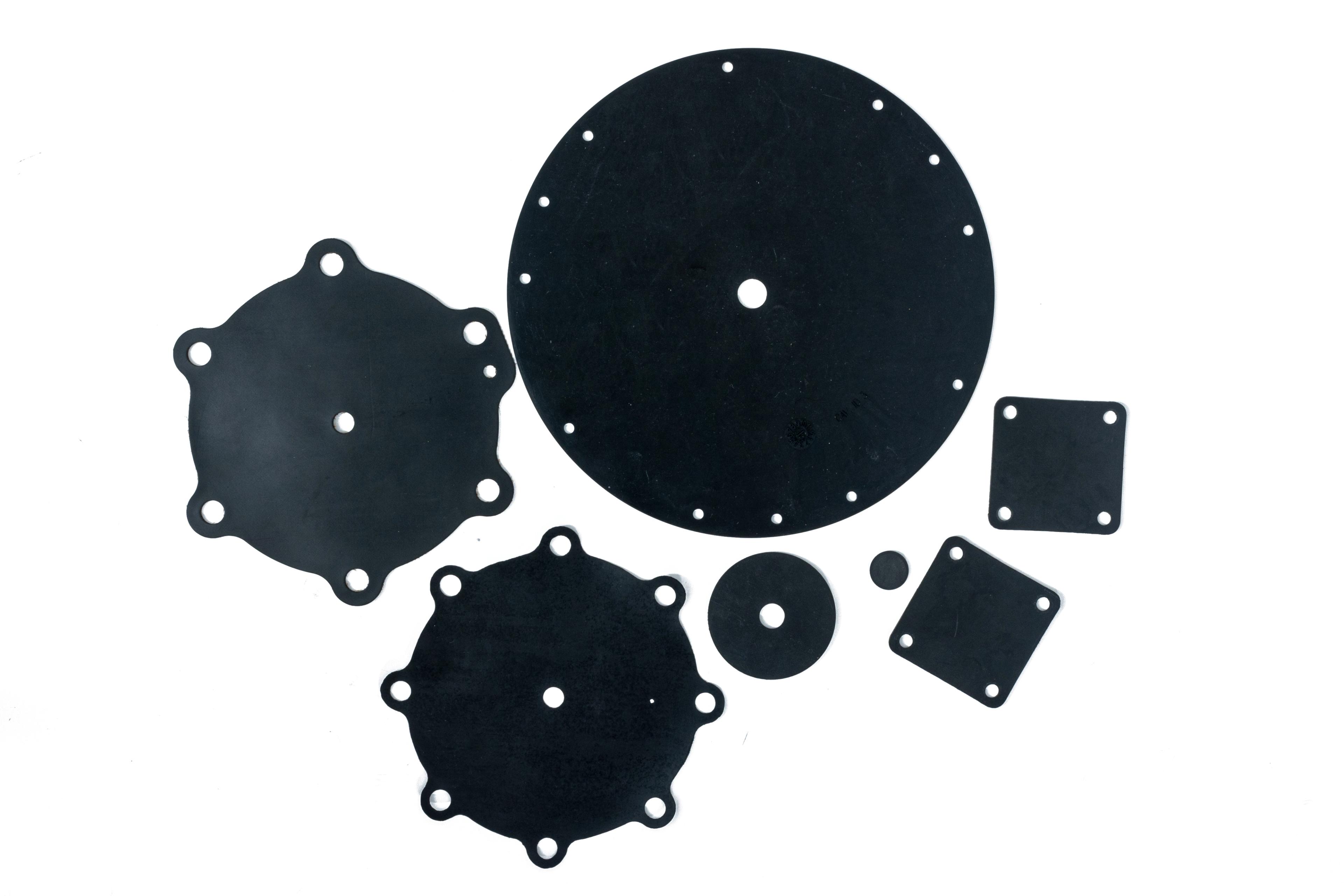
Precision rubber components being molded at Harkesh Rubber's facility

Case study · Process automation

Customised seals: HTV recommended over LSR

A leading organisation in process and manufacturing automation needed customised seals that could withstand diverse environmental conditions.

  • IndustryProcess automation
  • ComponentCustomised seals
  • MaterialHigh-Temperature Vulcanised (HTV) rubber
  • RegionProcess & manufacturing automation

Overview

The client approached us for customised seals and specified Liquid Silicone Rubber (LSR). After studying the application, Harkesh proposed High-Temperature Vulcanised (HTV) rubber instead.

The switch to HTV improved productivity, significantly reduced lead times and delivered cost benefits — with no compromise on quality or material standards.

HTVrecommended over LSR
Shorterlead times
Lowercost, same quality

Key outcome:

By recommending High-Temperature Vulcanised rubber over the specified LSR, we improved productivity and cut lead times and cost — without compromising quality or material standards.

The challenge

Customised seals for demanding conditions

The client approached us with a project requiring customised seals. These seals, crucial for their application, demanded a material that could withstand diverse environmental conditions and maintain superior quality standards.

The initial requirement stipulated the use of Liquid Silicone Rubber (LSR).

Our approach

Understand the application, then recommend HTV

We organised a comprehensive meeting to understand the specifics of their requirements. After analysing the intricacies of the application, we proposed an alternative solution — High-Temperature Vulcanised (HTV) rubber — having understood the advantages of HTV over LSR for this use case.

The results

A transformative material switch

Productivity

Higher output

The move to HTV led to a notable enhancement in productivity for the client.

Speed

Shorter lead times

HTV significantly reduced lead times compared with the originally specified LSR.

Cost

Cost benefits

The switch yielded cost benefits with no compromise on quality or material standards.

Our recommendation and detailed justification for HTV instead of LSR resonated with the client. The decision to opt for HTV proved transformative: it led to a notable enhancement in productivity, significantly reduced lead times and yielded cost benefits — without compromising on quality and material standards.

Materials & application

Where this part fits

Application details

  • Customised seals for process and manufacturing automation
  • Service across diverse environmental conditions
  • Material engineered for superior quality standards
  • HTV recommended in place of LSR

At a glance

Industry
Process automation
Specified material
LSR
Recommended material
HTV
Benefits
Productivity, lead time, cost

Questions, answered

Frequently asked

After analysing the application, we found High-Temperature Vulcanised (HTV) rubber offered advantages over Liquid Silicone Rubber (LSR) for this use case — improving productivity and reducing lead time and cost while still withstanding the environmental conditions and quality standards required.

Both are silicone rubbers. LSR is a liquid, injection-moulded system; HTV (high-temperature vulcanised) is a solid, high-consistency silicone. For this customised seal, HTV gave the better balance of performance, lead time and cost.

Yes. We start by understanding the application in detail and then recommend the material and process that best balance performance, lead time and cost — as we did here by proposing HTV over LSR.

Get In Touch contact section

Get In Touch

Address

Mumbai Office: Harkesh Rubber LLP, 108, Adarsh Industrial Estate, Sahar Road, Chakala, Andheri (East), Mumbai 400099

General Enquiries

contact@harkeshrubber.com

Business Phone

+91-22-40060400

Contact Form

Get In Touch

Share your requirements and our team will respond shortly.

Keep exploring

More case studies