Engineered Gaskets for Complex Sealing Challenges
Custom Rubber Gaskets & Seals
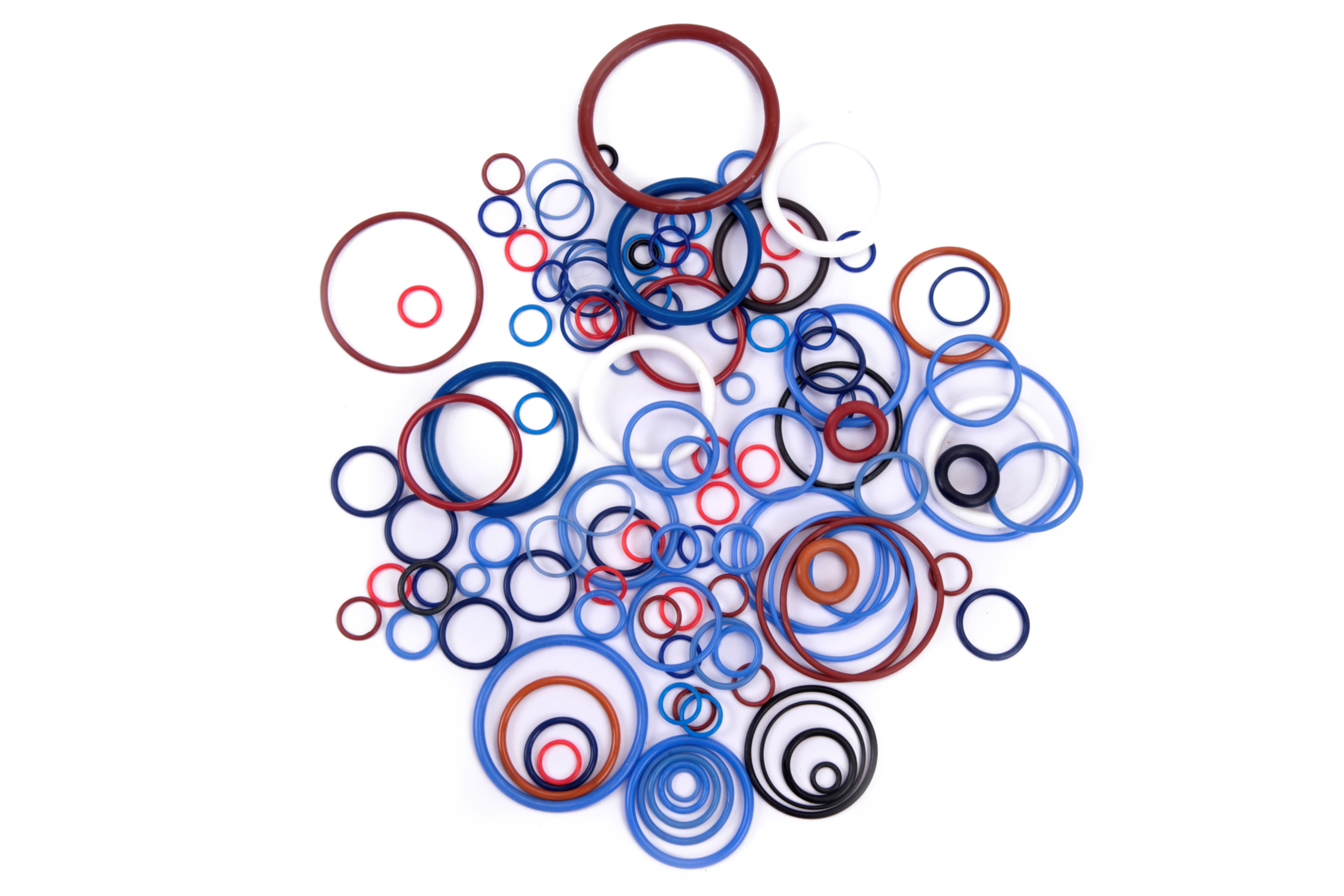
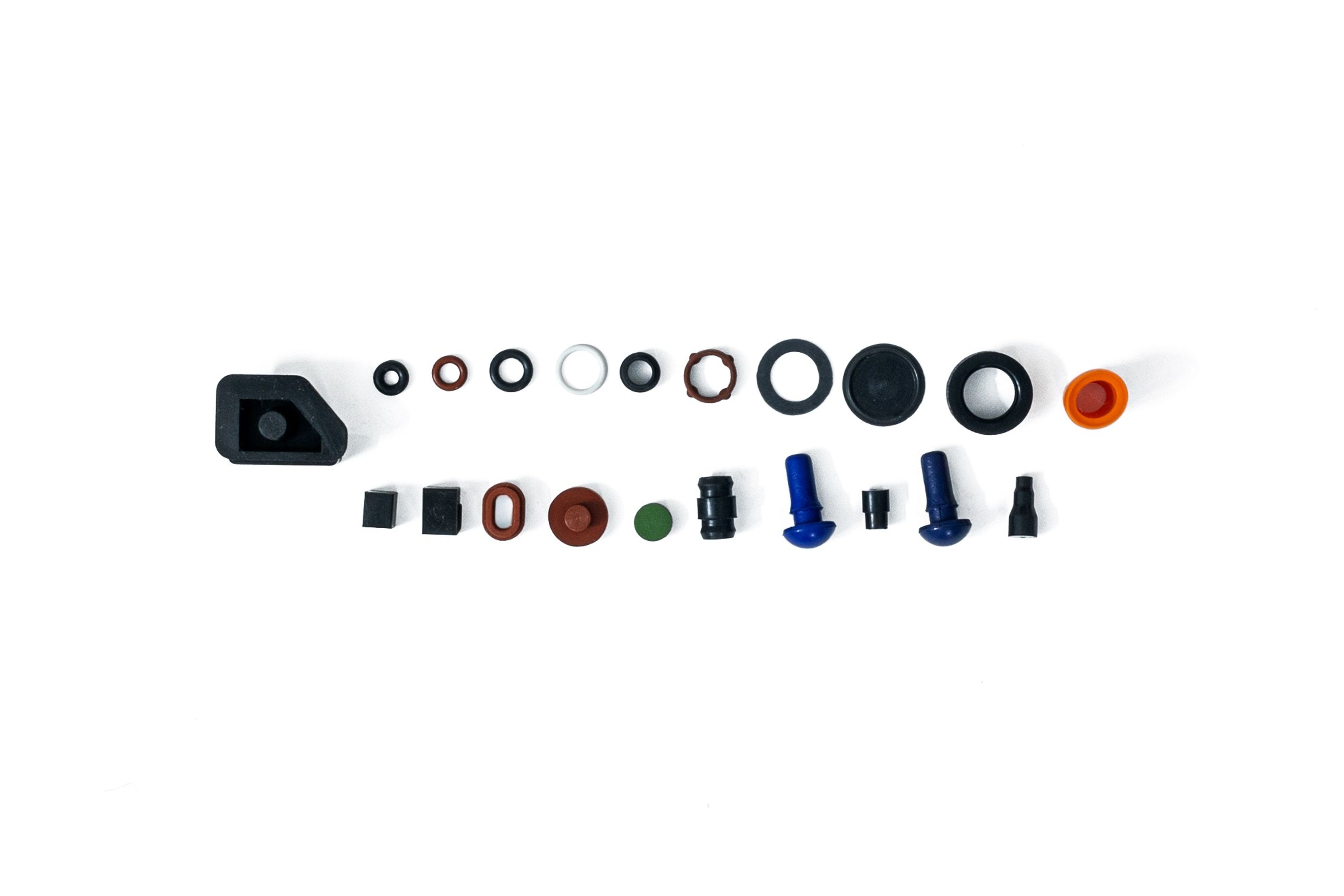
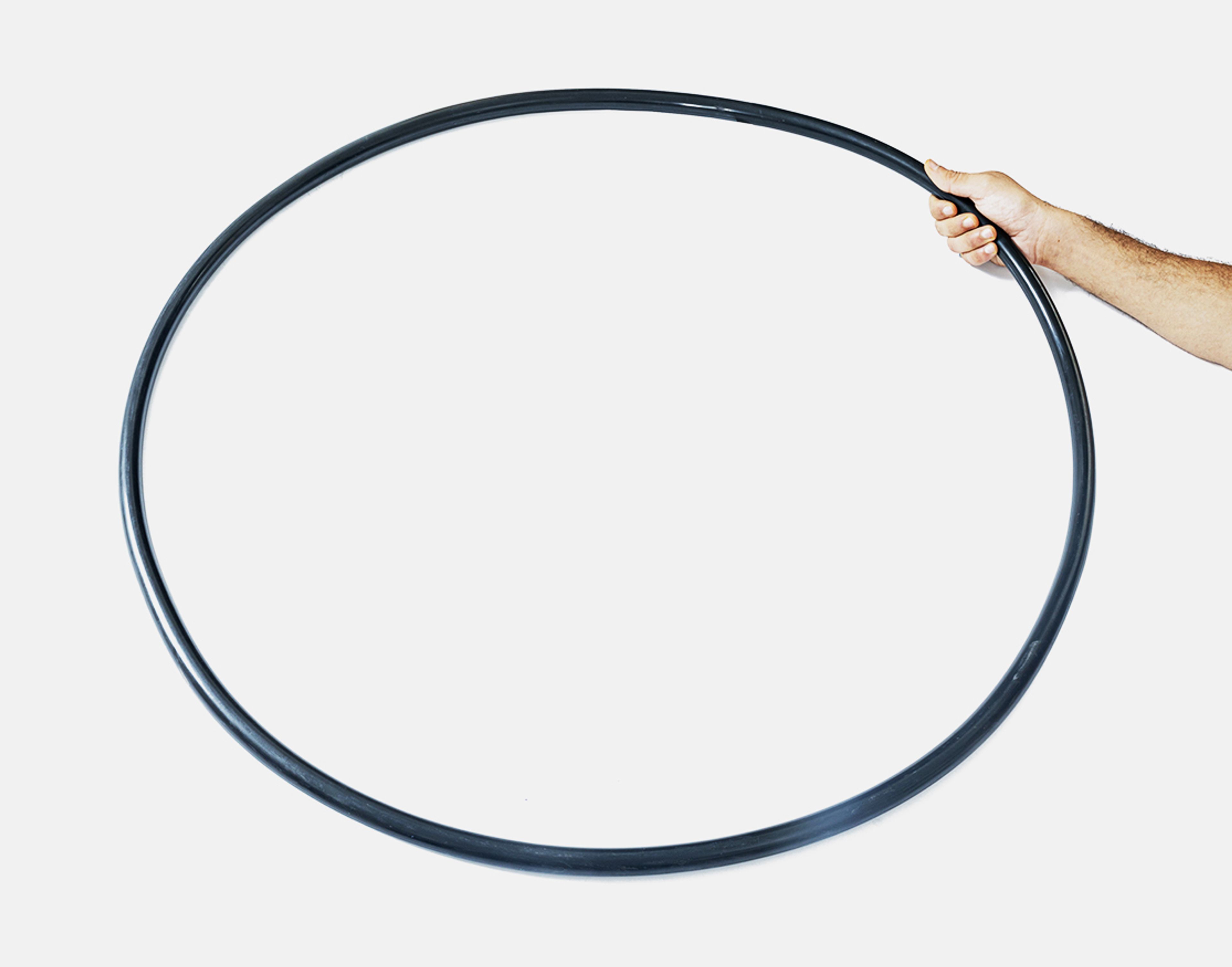
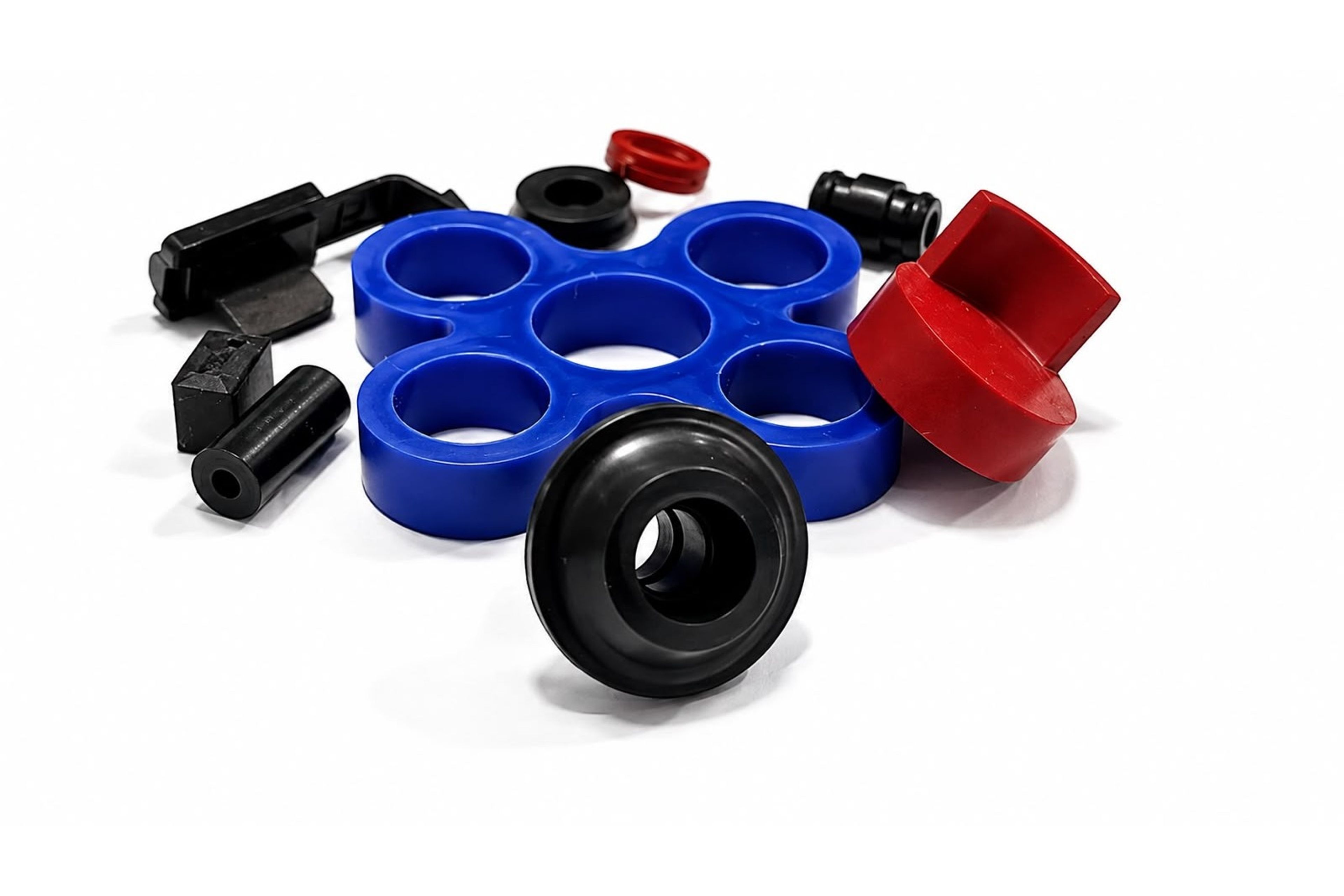
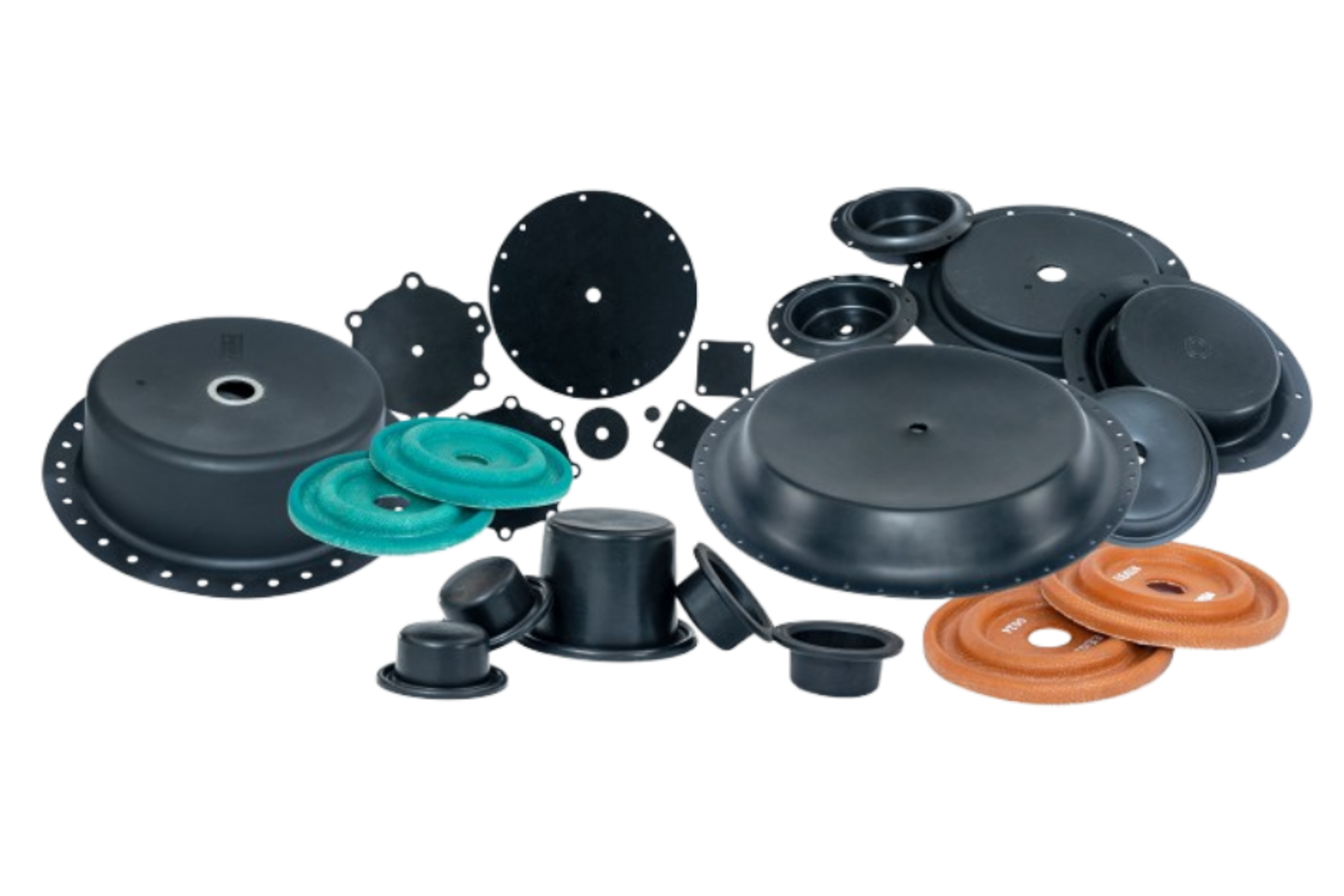
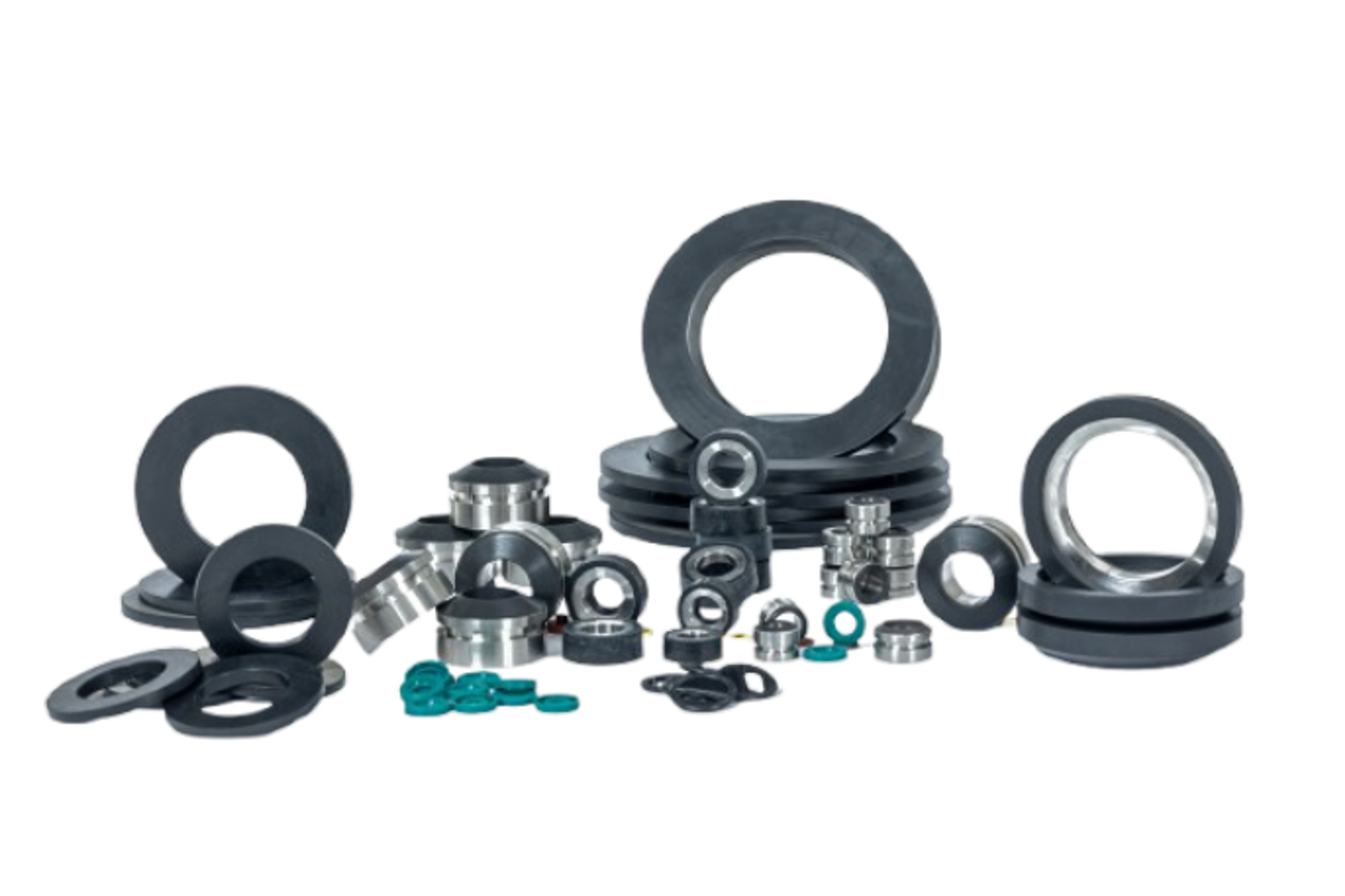
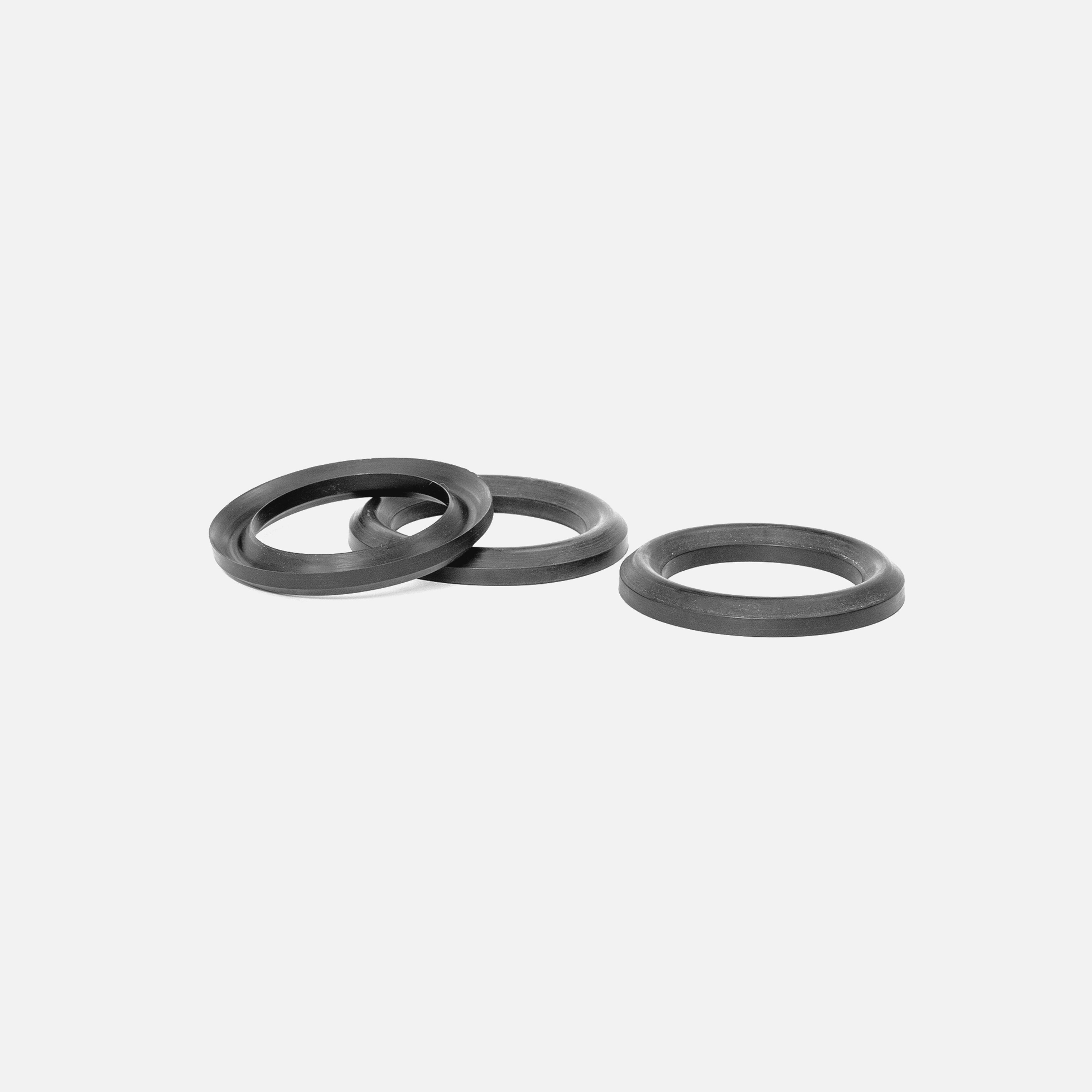
At Harkesh Rubber LLP, we design and manufacture high-performance Gaskets and Rubber Seals that deliver leak-proof, durable, and reliable performance in demanding environments. Our core expertise lies in PHE and Heat Exchanger Gaskets, along with a wide range of customized gaskets tailored to diverse industrial applications.
Salient Features
Temperature
up to 315°C
Flash levels
<0.10mm
Dimensional Tolerance
±0.02
Size range
8mm to 1200mm
REACH, ROHS, EN 549, WRAS
Approved compounds
Not sure which material fits your application?
Talk to an engineer →How to Select a Gasket
Operating Conditions (Not Maximum Ratings)
Define your continuous operating temperature, pressure range, cycle frequency, and environmental exposure. Maximum ratings represent short-term failure points—always select materials based on actual operating ranges to ensure long-term reliability.
Open the tool →Chemical Compatibility
Your sealed media determines the correct material selection. Incompatible materials cause swelling, softening, hardening, cracking, and premature degradation. Verify chemical compatibility for every substance that will contact the gasket.
Open the tool →Compression Range: 25–50%
Industry-verified optimal range: 25–50% compression achieves reliable sealing without over-compression. Below 25% provides insufficient sealing force. Above 50% causes compression set and reduces service life.
Open the tool →Manufacturing Method Selection
Choose the right production method: CNC cutting eliminates $500–$8,000 tooling costs for custom work. Die cutting is optimal for high-volume runs (5,000+ pieces). Waterjet cutting handles thick materials. Compression molding produces complex shapes with superior properties.
Industry Standards Compliance
Verify that materials meet applicable standards: ASTM F37 (sealability testing), ASME B16.20 (material specifications), and ASTM D395 (compression set testing). Food and pharmaceutical applications require FDA CFR 177.1550/177.2600, USP Class VI, 3-A Sanitary, and ASME-BPE compliance.
Custom Design Support
We accept three starting points: your measurements, technical drawings (CAD, PDF, DWG, or DXF formats), or physical samples for reverse engineering. Includes free design review, gland verification per ISO 3601-2, and prototype samples before final production commitment.
Common gasket & seal failures
Leakage
Leakage is one of the most common sealing failures and usually occurs due to insufficient compression, improper gasket sizing, damaged sealing surfaces, or wear during operation. Proper installation and correct material selection help prevent fluid or gas leakage.
Compression Set
Over time, rubber may lose its ability to recover after prolonged compression. This permanent deformation reduces the contact pressure between the seal and mating surfaces, eventually leading to leakage and reduced sealing effectiveness.
Installation Damage
Incorrect installation practices, such as over-tightening, uneven compression, twisting, pinching, or using improper tools, can permanently damage the gasket or seal. Following recommended installation procedures ensures optimal sealing performance and extends product life.
Cracking
Continuous exposure to ozone, UV radiation, heat, or environmental ageing can cause surface cracks that gradually grow over time. These cracks weaken the seal, reducing its ability to maintain an effective barrier against leakage.
FAQ
Find answers to common questions about our products and services.
They are used in heat exchangers, industrial processing units, water systems, chemical plants, and general engineering applications.
Yes. We produce customized gaskets and seals based on application requirements, drawings, and material needs.
Our gaskets can withstand temperatures up to 315°C, depending on the selected material.
All compounds are REACH, ROHS, EN 549, and WRAS-approved for compliance and safety.
They are designed to resist compression set, absorb vibration, and maintain sealing performance even in high-pressure systems.